


How to Treat Acne in Darker Skin Without Causing Hyperpigmentation
Updated: Jul 27
I

If you have melanin-rich skin and struggle with acne, you already know the frustration.
The breakout finally goes away…But the dark mark stays.
For months. Sometimes longer.
This is called post inflammatory hyperpigmentation (PIH), and it is extremely common in melanin-rich skin tones.
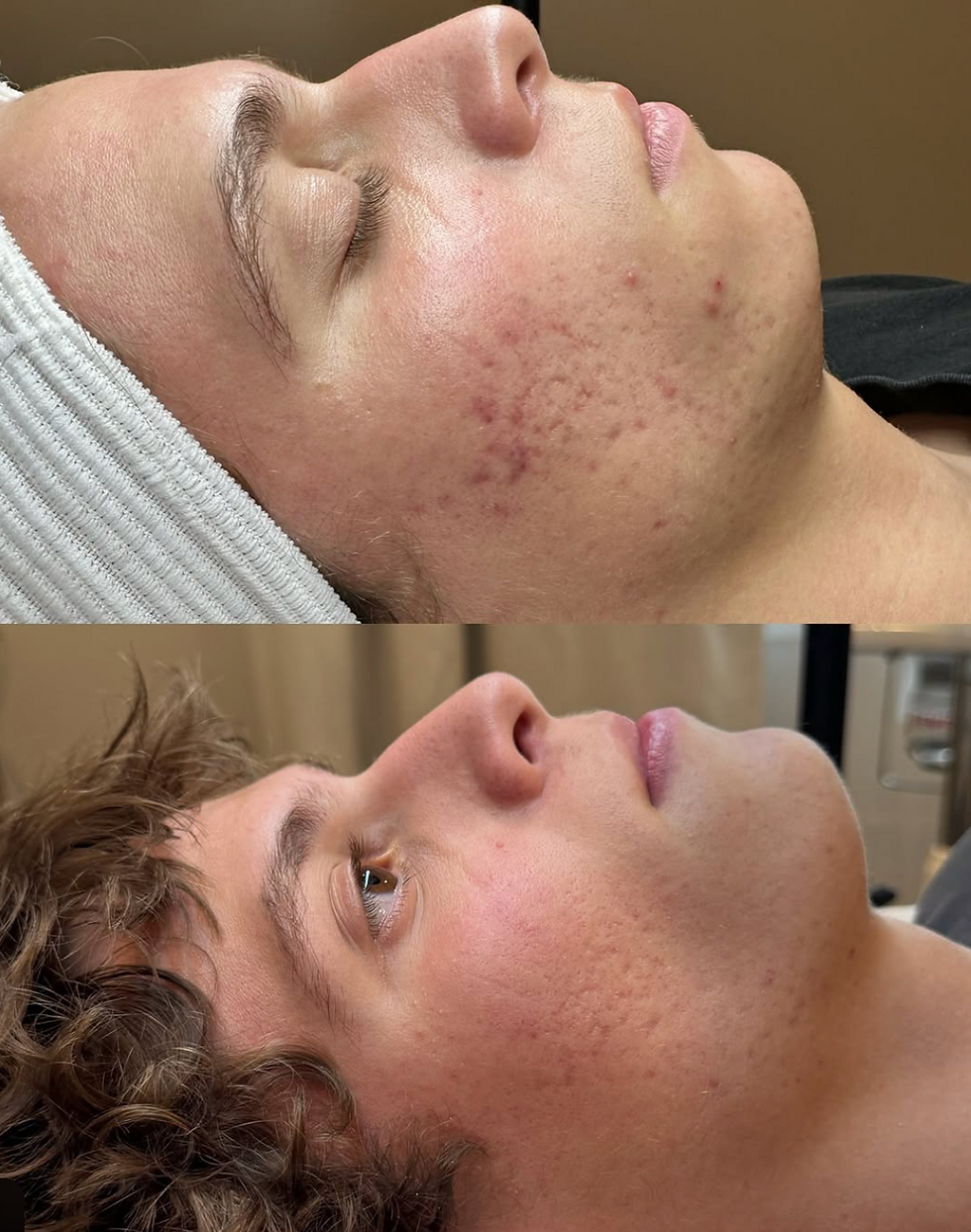
At The Beauty Plug in North Hollywood, we do not just treat acne. We know how to Treat Acne in Darker Skin Without Causing Hyperpigmentation. We treat acne in a way that protects your skin tone, your barrier, and your long-term clarity.
Because when we are working with darker skin tones, prep is everything. If you skip prep, the skin will humble you.
Why Acne in Melanin-Rich Skin Is Different
Melanin-rich skin contains more reactive melanocytes. Melanocytes are the cells responsible for producing pigment.
When inflammation occurs like a pimple, extraction, chemical peel, microneedling session, or even over exfoliation those melanocytes can become overstimulated.
That overstimulation leads to:
• Post inflammatory hyperpigmentation• Uneven skin tone• Lingering dark spots• Patchy discoloration
So the real goal is not just clearing acne.
The goal is clearing acne without triggering hyperpigmentation.
Understanding Post-Inflammatory Hyperpigmentation (PIH)
For many people with darker skin tones, the acne itself isn't the only concern. Even after a blemish heals, it can leave behind a dark spot that lasts for weeks or even months. This condition is called post-inflammatory hyperpigmentation (PIH).
PIH develops when inflammation triggers the skin to produce excess melanin during the healing process. Because melanin-rich skin naturally produces more pigment, even small breakouts can leave noticeable discoloration.
Common triggers include:
Inflamed acne
Picking or squeezing pimples
Harsh scrubs or aggressive exfoliation
Burns or skin irritation
Improper use of skincare products
While PIH is not a true scar, it can sometimes be more frustrating than acne itself because the discoloration often lingers long after the breakout has disappeared.
The good news is that with the right professional treatments and a customized skincare routine, it is possible to improve both acne and the appearance of post-inflammatory hyperpigmentation while protecting the health of your skin.
Step One: Regulate Melanin Before Aggressive Treatments
Before I perform advanced treatments such as:
• Microneedling
• Chemical peels
• Dermaplaning•
Advanced exfoliatio•
Intensive acne protocols
I focus on lowering melanocyte activity first.
This is done through your at-home skincare routine.
We introduce ingredients known as tyrosinase inhibitors.
Tyrosinase is the enzyme responsible for melanin production. When we regulate that enzyme, we help prevent excess pigment from forming after inflammation.
Some powerful pigment regulating ingredients include:
• Tranexamic acid
• Azelaic acid•
Kojic acid•
Alpha arbutin
• Niacinamide
• Vitamin C•
Licorice root extract
Personally, one of my favorites is tranexamic acid.
It helps calm pigment pathways and reduce the risk of post inflammatory hyperpigmentation, especially in clients who are prone to dark marks and melasma.
When we prep your skin correctly, advanced acne treatments become safer and more predictable.
Step Two: Calm Inflammation Before Correcting
Inflamed skin should never be attacked.
In melanin-rich skin, inflammation equals pigment.
So before we focus on aggressive acne correction, we:
• Strengthen the skin barrier
• Increase hydration
• Reduce redness and irritation
• Support healing
• Use calming ingredients such as cica and barrier repair formulas
If your skin barrier is compromised, we rebuild it first.
No shortcuts.
This is especially important for clients seeking acne facials in North Hollywood who have previously experienced darkening after peels.
Step Three: Choose the Right Acids for Your Skin Tone
Not every acid is appropriate for every skin tone.
For many of our acne clients with darker skin, we often begin with:
• Mandelic acid
• Lactic acid•
Azelaic acid
• PHA exfoliation
These are effective but gentler options that reduce congestion without overstimulating melanocytes.
Stronger peels and advanced resurfacing are introduced only after the skin has been properly prepped.
Consistency always wins over intensity.
What Makes Acne Treatment Successful in Darker Skin
The formula we use at The Beauty Plug is simple:
Calm inflammation
Regulate pigment production
Strengthen the barrier
Introduce controlled correction
Maintain results with home care
This approach allows us to treat:
• Active acne
• Dark spots from past breakouts
• Uneven skin tone
• Texture
• Early signs of aging
Without compromising your natural complexion.
Clear skin should never come at the cost of uneven tone.
Why Gentle, Corrective Skincare Is Essential
When treating acne in darker skin tones, the goal is not simply to clear breakouts. It's equally important to reduce inflammation while protecting the skin barrier.
Treatments that are too aggressive may increase irritation, which can actually make hyperpigmentation worse. That's why professional acne care focuses on balancing the skin rather than over-drying it.
A personalized acne treatment plan may include:
Professional corrective facials
Customized chemical peels when appropriate
Professional skincare products
Barrier-supporting ingredients
Hydrating treatments
Consistent homecare
At The Beauty Plug by Maria, every treatment plan is customized because skin of color deserves an individualized approach that respects your skin's natural biology while addressing acne safely.
Who This Is For
This approach is ideal if you:
• Have brown, olive, or deeper skin tones
• Experience dark spots after every breakout
• Struggle with acne and hyperpigmentation at the same time
• Have tried aggressive treatments that left your skin darker
• Are looking for a hyperpigmentation specialist in North Hollywood or Los Angeles
If you have felt like your skin gets worse after treatments instead of better, the issue may not be your skin.
It may be the lack of proper preparation.
Daily Habits That Can Help Protect Your Skin
Professional treatments are only part of the solution. Your daily routine also plays an important role in preventing new dark spots from developing.
Here are several habits that can support healthier-looking skin:
Don't Pick at Breakouts
Picking or popping pimples increases inflammation and can significantly increase the risk of post-inflammatory hyperpigmentation.
Wear Sunscreen Every Day
Many people believe darker skin doesn't need sunscreen, but ultraviolet (UV) exposure can make existing dark spots appear darker and may slow the fading process. Daily sunscreen use helps protect your skin and supports more even-looking skin over time.
Use Gentle Cleansers
Harsh cleansers that strip away natural oils may weaken the skin barrier and contribute to irritation. A gentle cleanser helps remove excess oil while maintaining healthy skin.
Moisturize Consistently
Hydrated skin heals more effectively. Moisturizing also helps strengthen the skin barrier and may reduce irritation from acne treatments.
Follow a Personalized Homecare Routine
Professional skincare products recommended by your esthetician are selected based on your skin type and concerns. Consistency often produces better long-term results than frequently switching between products.
Common Mistakes That Can Make Hyperpigmentation Worse
Many people unintentionally prolong the healing process by using products or habits that irritate the skin.
Some of the most common mistakes include:
Over-exfoliating the skin
Using multiple acne products at the same time
Scrubbing breakouts aggressively
Skipping moisturizer because the skin feels oily
Picking acne lesions
Ignoring sunscreen
Trying every trending skincare product without professional guidance
Healthy skin isn't created by using the strongest products available. It's built through consistency, patience, and choosing treatments that work with your skin rather than against it.
Why Personalized Acne Treatment Matters
Acne is not a one-size-fits-all condition, and the same treatment that works well for one person may not be the best option for someone else. This is especially true for people with melanin-rich skin, where preventing unnecessary inflammation is an essential part of successful treatment.
During your consultation at The Beauty Plug by Maria, we'll evaluate your skin type, acne severity, pigmentation concerns, and overall skin health before recommending a customized treatment plan.
Our goal is not only to reduce breakouts but also to help you maintain an even-looking complexion while protecting your skin barrier and supporting long-term skin health.
With the right combination of professional treatments, homecare, and consistency, healthier-looking skin is possible.
The Beauty Plug Difference
I created The Beauty Plug because I personally struggled with acne and hyperpigmentation. I tested protocols on myself and my family across different skin tones and ages.
My approach is intentional.
No over exfoliating.No guessing.No one size fits all peels.
Every treatment is customized based on your skin tone, acne type, barrier health, and pigment risk.
Because clear skin should not come at the cost of uneven skin tone.
Ready to Treat Acne Safely?
If you are ready to treat acne without triggering hyperpigmentation and want a customized corrective plan designed for melanin-rich skin, your first step is our New Client Consultation Form.
This allows us to understand your acne history, pigmentation concerns, and goals before building your treatment plan.
Once submitted, we will guide you toward the safest and most effective corrective acne treatment for your skin.
Your skin deserves strategy, not aggression. 🤍
Frequently Asked Questions About Acne Treatment for Darker Skin
Why does acne leave dark spots on darker skin?
People with melanin-rich skin naturally produce more pigment. When acne causes inflammation, the skin may respond by producing extra melanin, leading to post-inflammatory hyperpigmentation.
Can hyperpigmentation fade on its own?
Some dark spots gradually become lighter over time, but the process can take several months. Professional treatments and a personalized skincare routine may help improve their appearance more efficiently.
Are chemical peels safe for darker skin?
When selected appropriately and performed by a trained skincare professional, chemical peels can be an effective treatment option for many people with darker skin tones. Your esthetician will recommend the most suitable treatment based on your skin type and concerns.
Can I treat acne and hyperpigmentation at the same time?
Yes. Many professional treatment plans are designed to address both active breakouts and the discoloration left behind after acne heals. A customized approach helps balance these goals while minimizing irritation.
Is sunscreen really necessary for darker skin?
Yes. Although darker skin contains more natural melanin, sunscreen remains important because UV exposure can make existing hyperpigmentation appear darker and may slow the skin's natural healing process.
How long does it take to see improvement?
Results vary depending on your skin condition, consistency with homecare, and the treatments recommended. Many clients notice gradual improvements over several weeks as their skin continues its natural renewal process.


Comments